
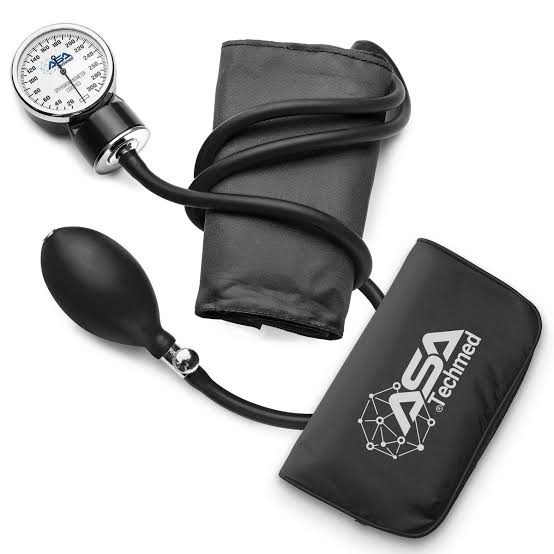
Blood pressure hubs opened at Akron-Summit County Public Library locations
Nearly half of U.S. adults have high blood pressure, but many don’t even know they have it, according to the American Heart Association. It is called the “silent killer” because high blood pressure often doesn’t have symptoms and can go undetected until serious health issues like heart disease or stroke arise.
To allow people to easily check their blood pressure, the nonprofit American Heart Association installed five new blood pressure hubs at various locations of the Akron-Summit County Public Library in July as part of its “Libraries with Heart” initiative.
“We are meeting people where they are to ensure everyone has the chance at their longest, healthiest life,” said Gabbi Roszman, community impact director for the American Heart Association in Northeast Ohio. “Where you live shouldn’t determine how long you live. These new hubs will give everyone in our community access to know their numbers and take control of their health.”
With these hubs, people in Summit County will have access to a blood pressure monitor, American Heart Association-guided materials on how to properly measure blood pressure, an explanation of what their numbers mean and a contact list of medical providers for any needed follow-up.
The blood pressure hubs are located at the following ASCPL locations:
- Main Library
- North Hill Branch
- Northwest Akron Branch
- Odom Boulevard Branch
- Portage Lakes Branch
“Blood pressure screening machines enable early detection of hypertension, a silent but dangerous condition,” said Patrick Manning, neighborhood services manager for the library system. “This allows individuals to take charge of their cardiovascular health before a crisis occurs. ASCPL is committed to providing innovative service, and this work we are doing with the American Heart Association is a demonstration of those values in action.”
High blood pressure is a leading, controllable risk factor for heart disease and stroke. Blood pressure numbers of less than 120/80 mm Hg are considered within the normal range. Numbers outside this range require immediate action.
To learn more about blood pressure, visit heart.org/bloodpressure.